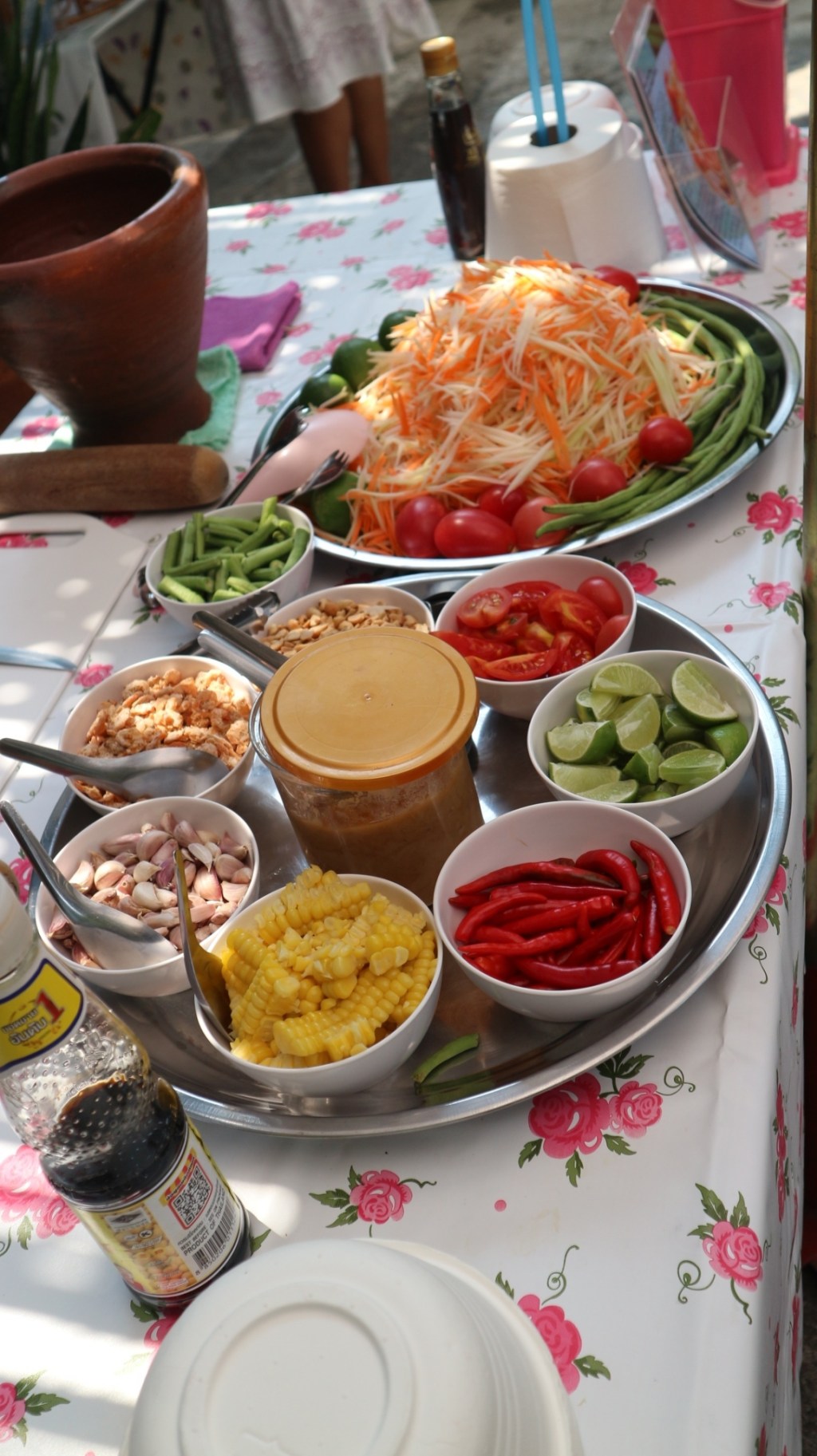
If there’s an art that I excel at above all else, then it has to be cooking. I love to cook. It brings me great pleasure to be in the kitchen. It doesn’t matter whether it’s a pot of bean soup, feeding a sourdough starter, making a turkey dinner, or a simple bowl of noodles. There’s something satisfying about doing something very well and sharing it with others. So when I found out that I was going to be taught some traditional Thai cooking by an authentic Thai mama, I was over the moon ecstatic! So before we get into Thai cooking, there are a couple of things that are worth pointing out, especially if you come from a Western cooking tradition.
Western Cooking
First, western cooking is different from any of the cooking traditions that come out of the east. I remember Sundays growing up in Ohio. Mom would fix breakfast, usually something with eggs, a breakfast meat, fried potatoes, and toast. Dad and I loved her fried potatoes. Later on, she’d usually have some sort of roast that would end up cooking for a few hours. This time, instead of fried potatoes, they were usually boiled or mashed and would be covered in gravy. Vegetables were either a salad or perhaps some green beans. That was common fare growing up. If I close my eyes and imagine being in the kitchen with my mom, I can still smell all the great things she was whipping up seemingly out of nowhere. It was hard waiting, but one of the things Mom said, almost on repeat, is “good food takes time.” So when I think back to cooking in Ohio and the broader US, time is often the secret ingredient that makes food delicious. It’s also a commodity that few dedicate to cooking in our modern, western world. How do I know this? In another expression that I didn’t hear a lot growing up, but knew to be part of the cooking vernacular, is how many hours went into “slaving over a hot stove.” Oftentimes, said hours slaving over a hot stove were directly proportional to how good the food was! So imagine my surprise when I learned that Asian cooking doesn’t abide by the same rules of time.
Asian Cooking
It wasn’t until I got a lot older that I learned the secret to Asian cooking wasn’t spending hours hovering over a hot stove for chewy sinews and tough cuts of meat to finally soften up. The bulk of Asian cooking is spent in preparation, doing all the cutting, chopping, dicing, and slicing. Which is good because, unless you have absolutely impeccable knife work, this part can take a minute. However, when it finally comes time to actually introduce the food to the fire, it goes very fast. Whether you’re talking about a simple stir-fry or you’re talking about Pad Thai, actual cooking won’t take longer than five minutes.
Pad Thai
Since I am first and foremost a history nerd, this is really my place to shine! I’m going to talk a bit about the history of Pad Thai. If you listen to the video, you’ll get a brief explanation, but it’s worth committing to writing as well. Thailand was kind of a complicated place back in the early days of World War II. In the beginning, Thailand sided with the Axis Powers, and the government at the time really liked Mussolini. So, he wanted a dish that was distinctly Thai but resembled Italian spaghetti in honor of Thailand’s connection to Italy. Enter Pad Thai. It is the official dish of Thailand! Spoiler alert, the bond with Mussolini and the Axis Powers was short-lived.
The Thai have taken great pride in being one of the few countries in the world that have never been colonized or occupied throughout their history. Furthermore, they didn’t particularly like the Japanese troops stationed in the country. So, they decided to switch sides, boot the Japanese to the curb, and have been allies of the United States and the rest of the Allied forces ever since. Later, Thailand would be a key ally to the US in a different war in the region that didn’t work out the way it was supposed to. However, that’s a different post for another day. Getting back to cooking. For me, understanding the background and history of a dish makes it more complex and delicious.
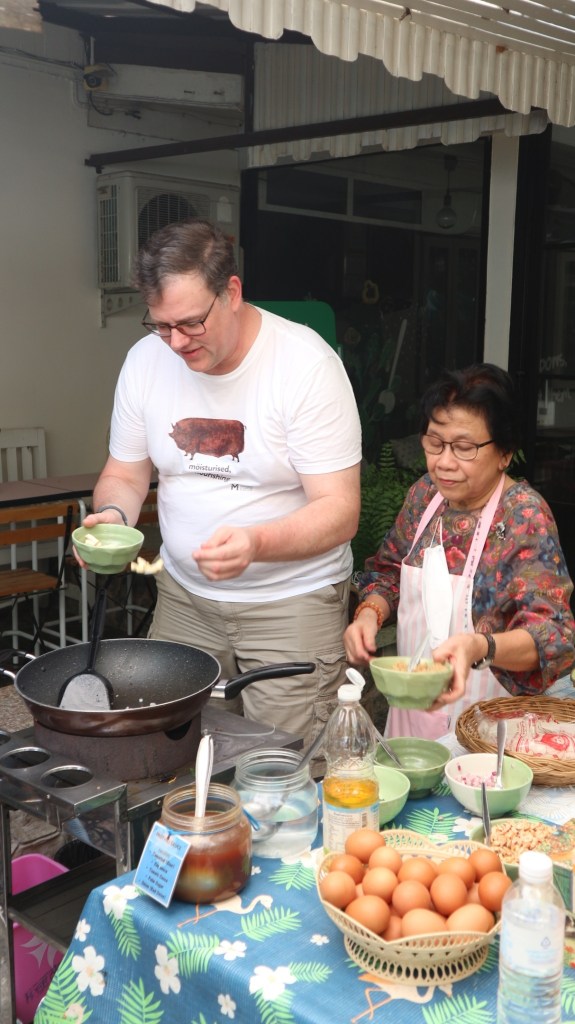
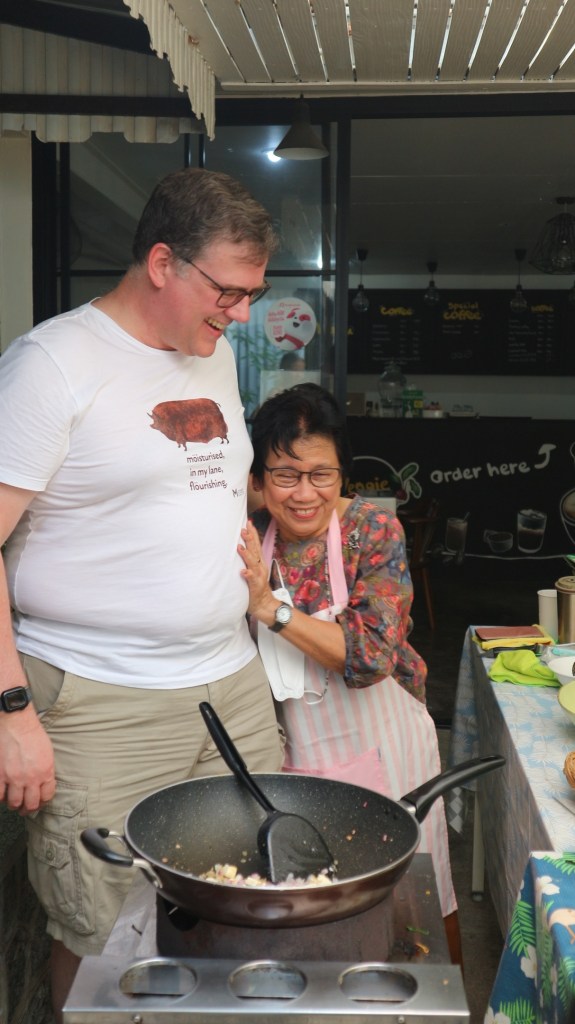
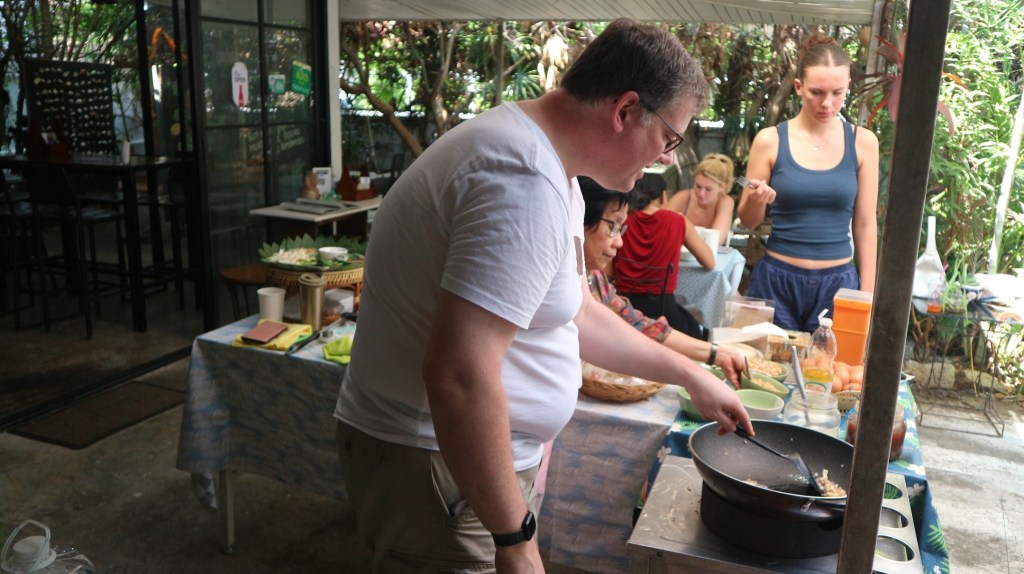
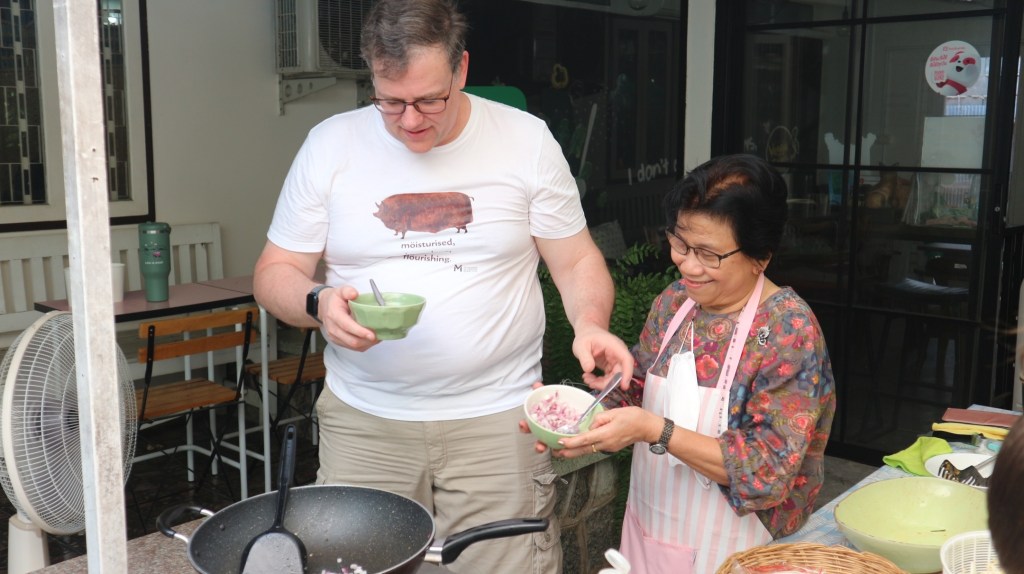
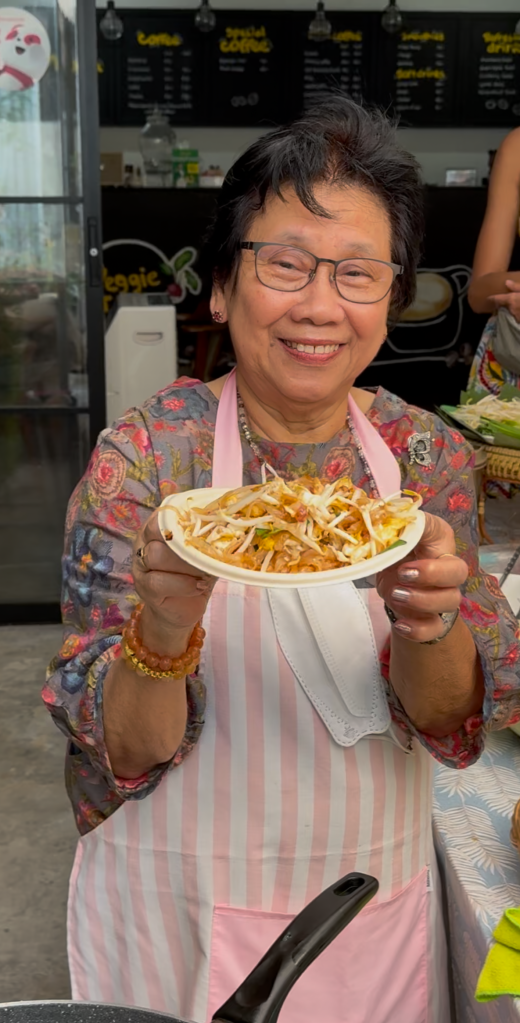
That and being taught by our adopted Thai mother kicked it up another level! What a cool experience! She showed me which ingredients to add and when, and politely kicked my ass when I got it wrong too! In true Scott fashion, nothing is ever simple or easy. So, when I started the cooking process, it didn’t go as well as her demonstration did. We eventually figured out the problem and had a good laugh. One of us (and I’m blaming me) forgot to turn on the burner. Once we were cooking with gas again, things went very fast, and my pad Thai was saved! So much for the old adage that good food takes time!
Som Tam
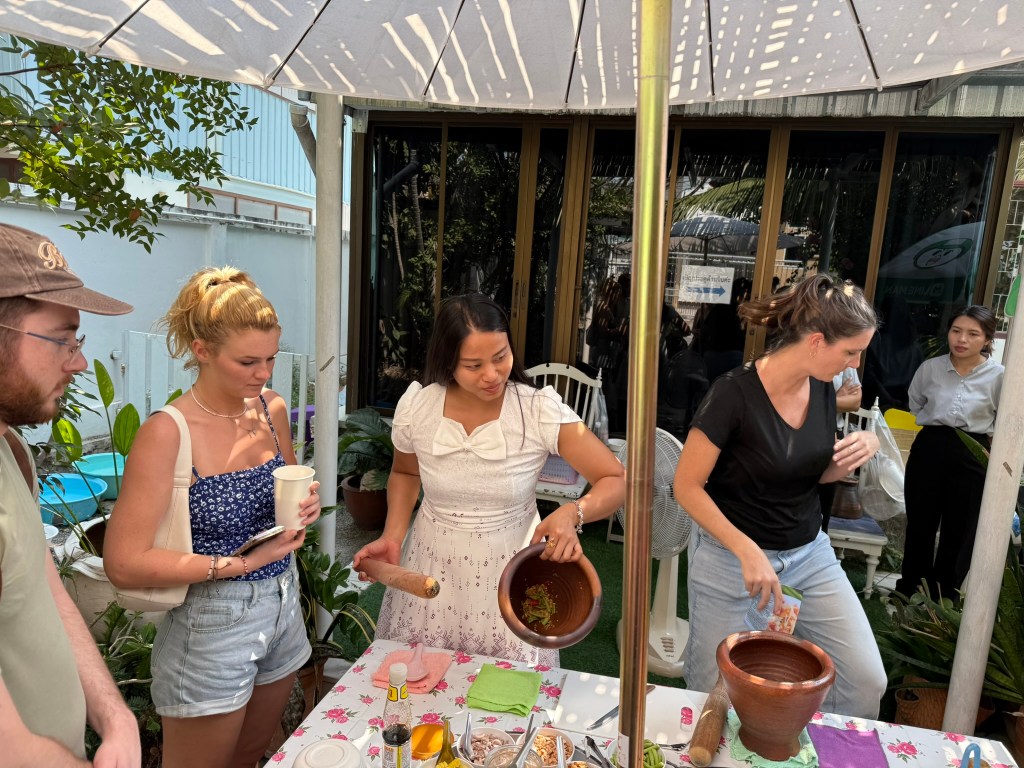
Ironically, despite pad thai being the national dish of Thailand, it is not commonly found out in the wild at restaurants, food stalls, or street vendors. However, a very, very common and quite popular dish here in Thailand, som tam, is found everywhere. It’s closer to ceviche in that it is “cooked” in an acid and chili peppers rather than over an open flame. This type of cooking is especially nice in Thailand since it’s always hot, and this doesn’t require a flame, making it also delightful on particularly hot days.
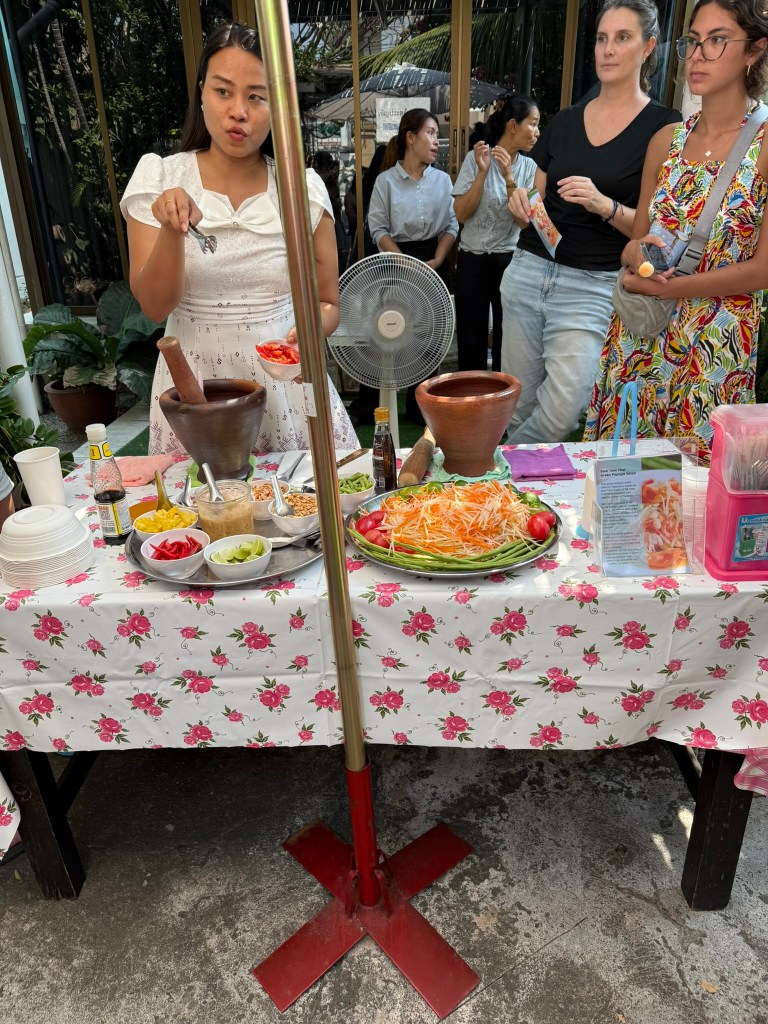
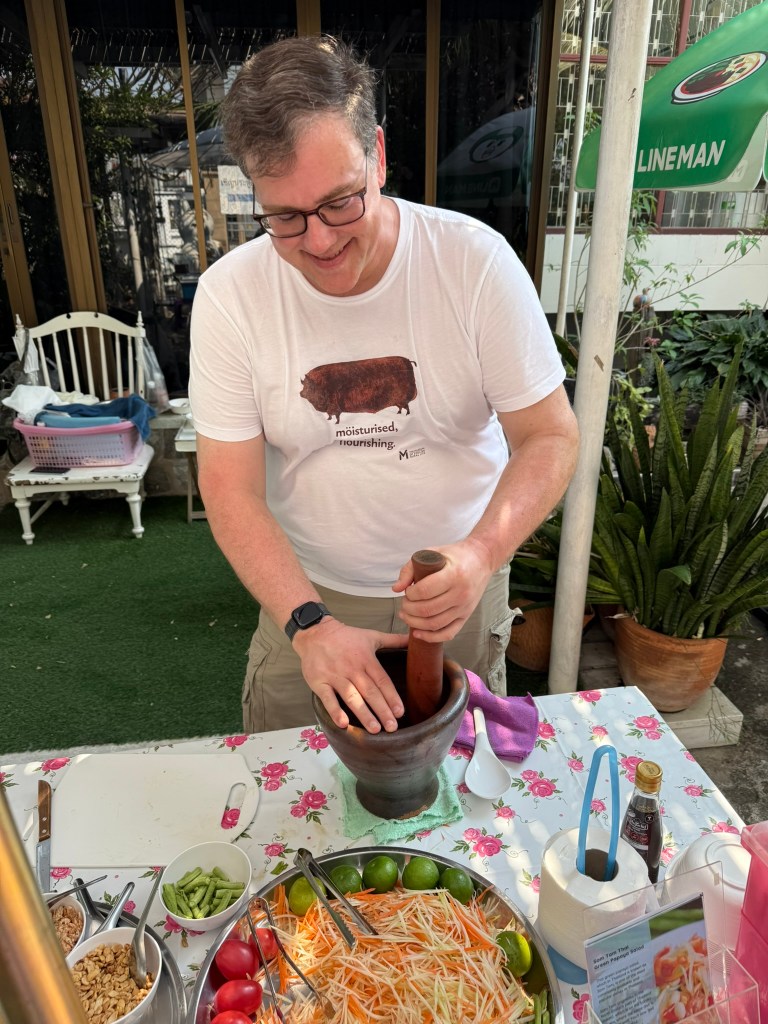
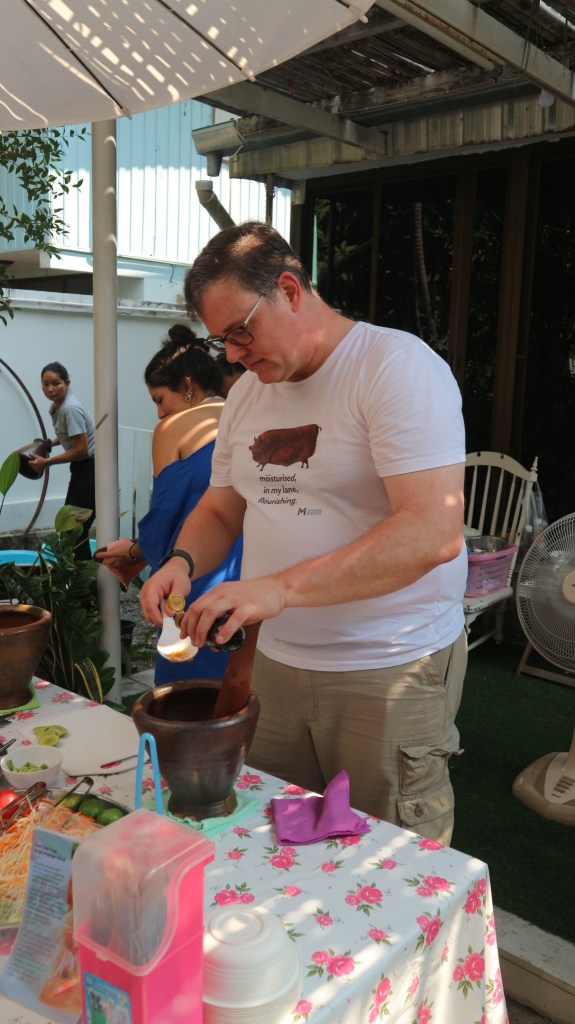
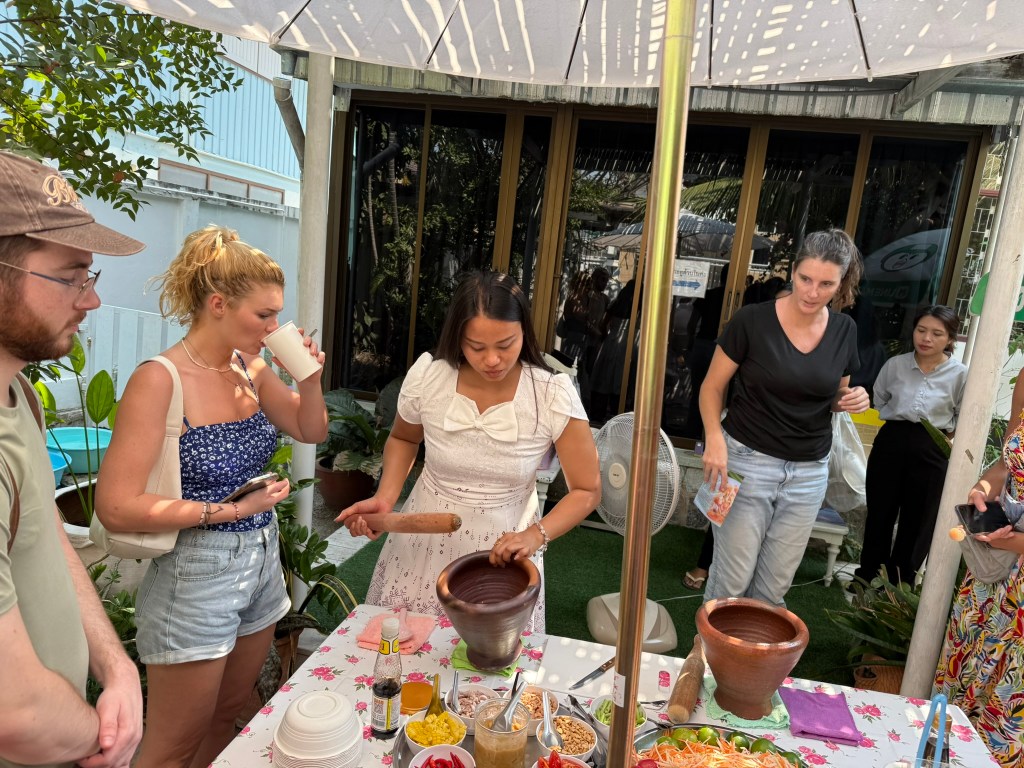
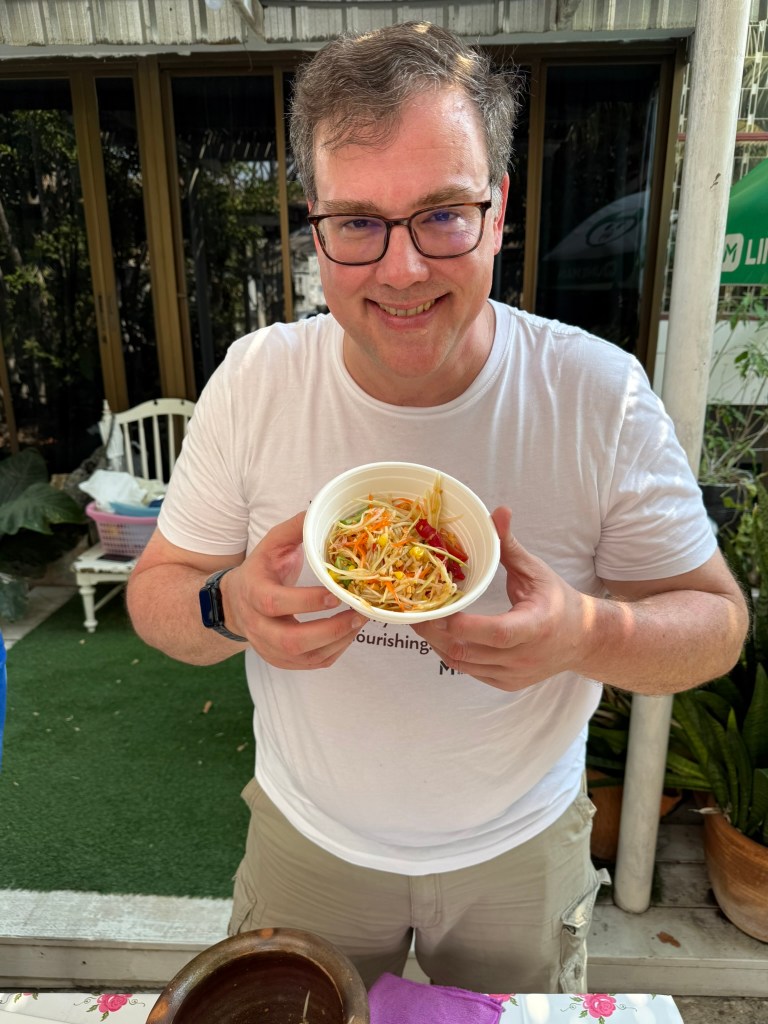
Between the two dishes, pad Thai is delicious, but the papaya salad is really my favorite. It is cool, crisp, and refreshing in a way that just feels good on a hot day. Oftentimes during the day, I don’t want anything heavy, so this kind of dish fits the bill perfectly. Som tam is accessible to people who don’t have cook tops in their condos because of how it is prepared. My current condo isn’t equipped with a cook top. I miss cooking, but I also don’t think about it too much.
Good cooking in Thailand, and the broader continent of Asia, comes down to the quality of the ingredients being used because it doesn’t spend much time on the burner. Good ingredients are also cheap, readily available, and locally sourced. All told, the ingredients for the papaya salad can probably be bought for no more than a couple of dollars, including the palm sugar and fish sauce. So, if you are getting tired of “slaving over a hot stove,” then change your game up and learn to cook like an Asian. Until next time, thank you for reading my humble post. As always, if you like what you read, be sure to like and share it. You can also follow my adventures on Facebook, Instagram, Threads, and Bluesky. I also have a handy-dandy news letter that you can subscribe to if you would rather have these posts show up in your inbox. Please take care of yourself, look out for each other, and stay curious!


Leave a comment