The Adventure Continues: Japanese Real Estate
Before diving too far into the adventures of Japanese real estate, let’s revisit where we left off. With retirement on the horizon and a clearer picture of what a good life looks like, we decided it was time to plunge headfirst into the international real estate scene. We narrowed our options to South Korea and Japan, ultimately choosing Japan. One honorable mention that didn’t make it into the last post was Taiwan. It had nearly everything we wanted, but choosing between high‑elevation snow and ocean views nudged it slightly down the list.
After much debate about where in Japan we wanted to put down roots, the next step was figuring out how to buy actual, tangible property. This is where dreams begin turning into reality. The process isn’t complicated, per se, but buying outside your own culture and currency comes with unexpected hurdles. Our first challenge was finding a realtor. Not speaking Japanese immediately dials up the difficulty level. Some realtors, as we discovered, prefer not to work with foreign clients, and honestly, we don’t blame them. Miscommunication can cause real problems, especially when legal formalities and property transfers are involved.
So, like any good intellectual pursuit, we consulted the oracle of the internet: Reddit. Reddit comes in two flavors. First, the people who want to be right so badly they’ll tumble down conspiracy rabbit holes and emerge as entirely new human beings. Second, the people who simply want answers, usually provided by those same rabbit‑hole explorers, with a few genuinely knowledgeable voices sprinkled in. Those gems are the real treasures. Did we learn anything useful? We made some new friends, picked up insights into trends happening across Japan, and found out there are companies that specialize in finding real estate for foreigners. That was enough to get us going. Ironically, many of these companies feel like scams to Americans, but they’re legitimate. We interviewed a few candidates and decided to pursue this path.
The biggest trend we learned about was that younger generations are moving to major cities like Tokyo and Osaka and tend to prefer renting over traditional homeownership. Meanwhile, the older generations who built these houses are passing away, leaving behind a glut of abandoned homes across the country. These properties, called Akiya, have a lot to offer to people willing to invest the time and resources into the communities they are found in. However, they aren’t without peril, and choosing a company that specializes not only in Akiya but also in after‑sale services is a smart decision. The company we chose, Akiya Mart, walked us through every step: how to safely transfer money, which documents were needed and when, what required notarization and wet signatures, what could be sent electronically, and what needed to be shipped across the Pacific puddle.
A Lesson in Culture
Navigating Japan requires understanding a key aspect of Japanese culture: it’s not about the end result, it’s about the process. This can be difficult for Americans to grasp. Americans don’t get hung up on process, mostly because of our own work culture that values efficiency and hustle over how something gets done. As long as the end result is cheap, fast, and efficient, we tend to gloss over how it’s made.
So, if you dig into social media posts from people who struggle in Japan, the common thread is a failure to understand this cultural truth about the country. Process isn’t just a series of steps; it’s about making sure everyone follows the protocol, and it’s something the Japanese excel at. Not respecting the process can brand you as an outsider, which is another aspect of Japanese culture Americans struggle with, but that is another post for another day.
With that in mind, the real estate acquisition process in Japan isn’t hard. It does involve steps Americans might not expect. Steps like getting your passport notarized. Hiring a judicial scrivener to file documents across all levels of government. Conducting due diligence on property boundaries (which are more fluid than you’d think). Assessing natural risks like typhoons, earthquakes, volcanoes, and tsunamis. The reports and maps we received from this process were fascinating and incredibly detailed; a testament to the meticulousness that defines so much of Japanese life.
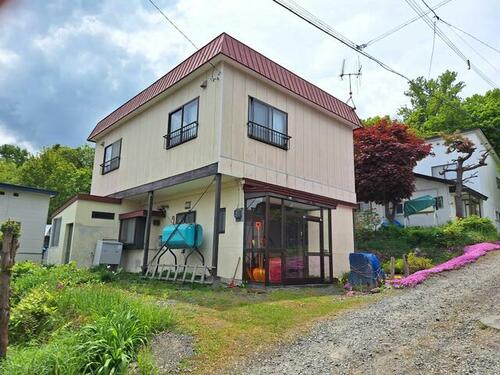
As for the company we worked with, I cannot give them high enough praise. They handled everything efficiently and promptly. From start to finish, the transaction took about three months. They work with all the folks who can file documents with city, prefectural, and national governments, set up utilities, and they were there when we finally received our keys and stepped through the front door of our new home. The costs may feel steep to Americans at first glance, but the peace of mind that comes with having an in‑country representative is worth every penny.
In the end, what struck us most wasn’t just the efficiency or the paperwork or even the excitement of owning a home in Japan. It was the realization that this entire journey, the research, the cultural learning curve, the patience, the process, was part of building the “rich life” filled with intention and the quiet satisfaction of living a life aligned with who we are becoming.
Buying a home in Japan isn’t just a transaction. It’s a step toward the life we had pictured on paper: a life with snow, ocean air, walkable streets, good food, and a sense of place. A life that now has a front door, a set of keys, and a name on a deed.


 Scott Abroad
Leave a comment